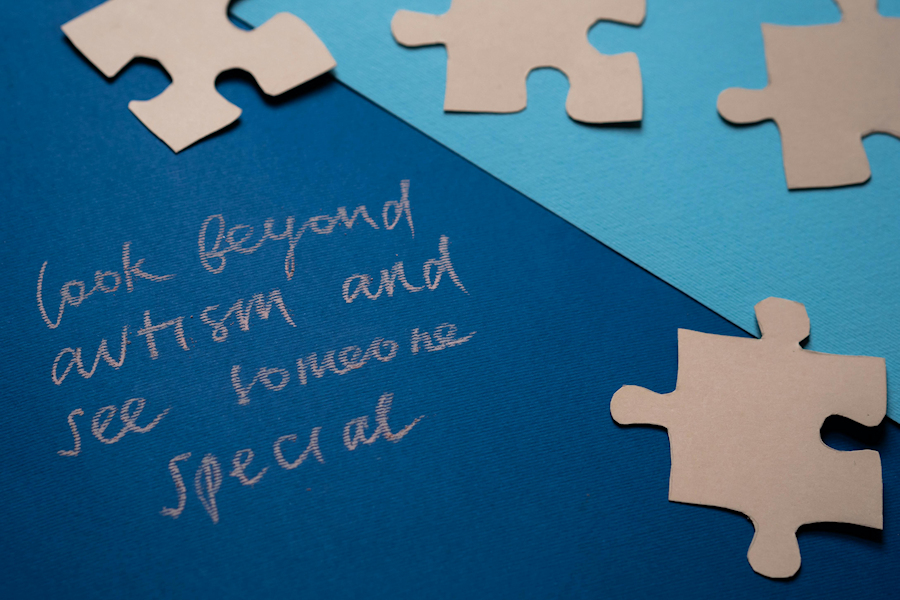
Autism Spectrum Disorder (ASD) manifests with a wide range of symptoms, primarily affecting social interaction, communication, and behavior. Individuals with ASD may experience challenges with social skills, including difficulty with eye contact, understanding social cues, and forming relationships. They may also exhibit repetitive behaviors, intense interests in specific topics, and sensory sensitivities.
Social Communication and Interaction Challenges:
- Difficulty with eye contact:
May avoid or have limited eye contact during conversations.
- Challenges with understanding social cues:
May struggle to interpret nonverbal communication, such as facial expressions or body language.
- Difficulties with reciprocal social interaction:
May have trouble engaging in back-and-forth conversations or sharing interests with others.
- Limited social responsiveness:
May not respond to their name, or have difficulty understanding questions or directions.
- Unusual or limited emotional expression:
May have difficulty showing emotions, or understanding the emotions of others.
Restricted and Repetitive Behaviors:
- Repetitive movements or actions: May engage in repetitive hand flapping, rocking, or spinning.
- Intense interests in specific topics: May have a strong interest in a particular subject, object, or activity.
- Adherence to routines: May become distressed or anxious if routines are disrupted.
- Sensory sensitivities: May have heightened or diminished reactions to sensory stimuli like lights, sounds, textures, or tastes.
- Repetitive language or echolalia: May repeat words or phrases, sometimes without understanding their meaning.
Other Potential Symptoms:
- Delayed language development: May have delayed speech or language skills.
- Unusual eating or sleeping habits: May have specific food preferences or difficulties with sleep.
- Gastrointestinal issues: May experience constipation or other digestive problems.
- Hyperactivity, impulsivity, or inattention: May exhibit increased energy levels, difficulty focusing, or impulsivity.
- Emotional regulation difficulties: May have difficulty managing strong emotions, such as anger, anxiety, or frustration.
Important Considerations:
- Spectrum: ASD is a spectrum disorder, meaning that the severity and specific symptoms can vary greatly from person to person.
- Diagnosis: A diagnosis of ASD should be made by a qualified professional.
- Early intervention: Early diagnosis and intervention can be beneficial for individuals with ASD.